
 en
en
 Español
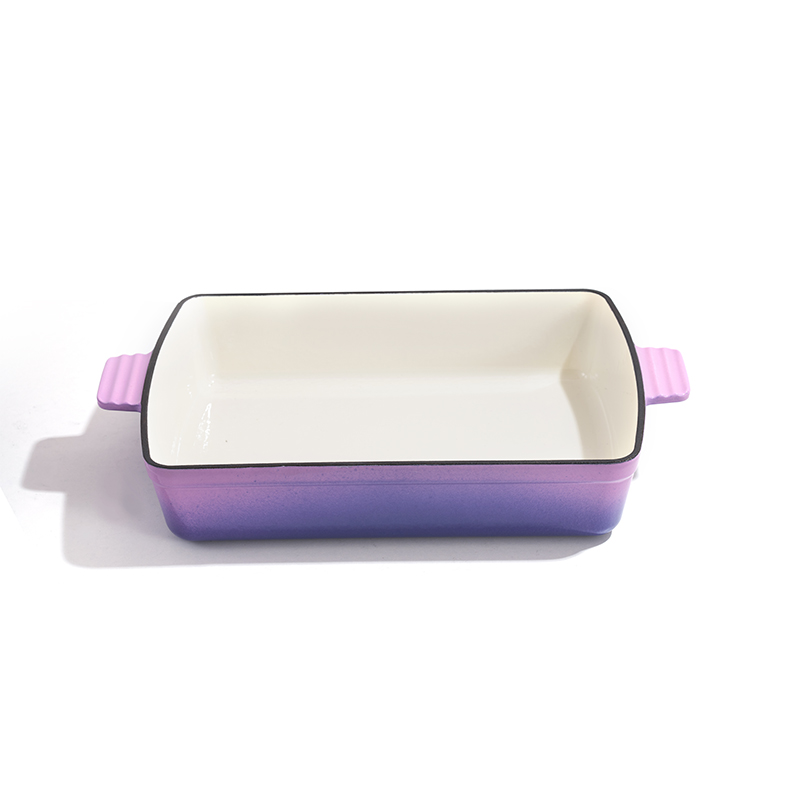
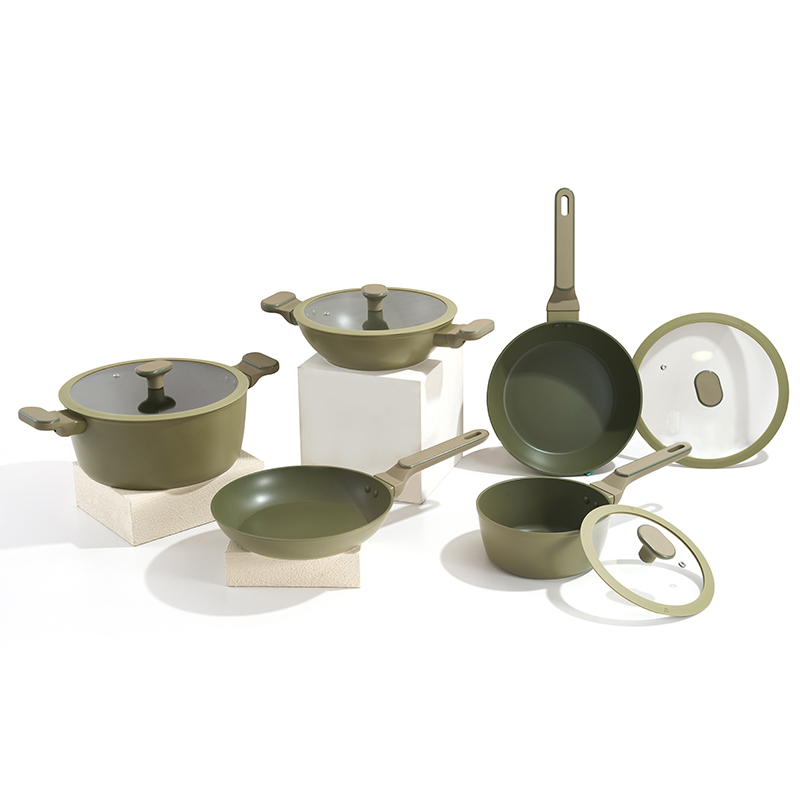
This cookware set features a non-stick coating, even heat conduction, and multi-...
See Details
Non-Stick Cookware: What You Should Know Before Buying
Date:May 15, 2026
Non-stick cookware is one of those things that seems simple until you actually start looking at options. You walk into a store, and there are twenty different pans. Some are black, some are marble-looking, some are ceramic. The prices range from 15to15to150. And everyone claims their pan is the best.
So what actually matters? Let me break it down.
How non-stick actually works
The non-stick effect comes from a coating applied to the pan's surface. The coating has a very low coefficient of friction. Food does not bond to it. Eggs slide off. Pancakes release without sticking. And you can cook with very little oil.
The original non-stick coating is PTFE (polytetrafluoroethylene), which you probably know by the brand name Teflon. PTFE was discovered by accident in 1938 and has been used on cookware since the 1960s. It is still the most common non-stick coating today.
Ceramic non-stick (sometimes called "sol-gel" coating) is a newer alternative. It is made from silicon dioxide (essentially, very fine glass particles) with a silicone oil or other lubricant mixed in. It feels smooth and looks like stone or marble.
PTFE vs. ceramic: the real difference
This is the question people ask most often.
PTFE coatings are slippery. Very slippery. Nothing sticks to them. They also last longer than ceramic if you treat them reasonably well. A good PTFE pan will stay non-stick for 2 to 5 years of regular use.
The concerns about PTFE come from two places. First, older manufacturing processes used a chemical called PFOA. That has been phased out globally since around 2013. Most PTFE pans sold today are labeled "PFOA-free." Second, if you overheat an empty PTFE pan past about 260°C (500°F), the coating starts to break down and release fumes. Those fumes can cause flu-like symptoms in humans (called polymer fume fever) and can kill pet birds very quickly. Normal cooking—eggs, fish, vegetables—stays well below that temperature. The risk is when you preheat an empty pan on high and walk away.
Ceramic coatings are made without PTFE or PFOA. They are stable to higher temperatures (about 400°C or 750°F) without releasing fumes. If you are concerned about chemicals or you have pet birds, ceramic is the safer choice for peace of mind.
The trade-off is durability. Ceramic coatings lose their non-stick properties faster. A ceramic pan that works perfectly for 6 months will start sticking at 12 months. By 18 months, it may be no better than stainless steel. PTFE pans, by comparison, often last 2 to 4 years before the coating wears out.
There is no magic coating that lasts forever. Both types are consumable. Expect to replace non-stick pans every few years.
What about "granite" or "marble" coatings?
These are marketing names, not actual stone. "Granite" coating is usually a ceramic coating with dark speckles to make it look like stone. "Marble" coating is the same idea with lighter speckles. They perform like standard ceramic coatings. They are not better or worse. The speckles do nothing for the non-stick property.
The thickness of the coating matters (but you cannot see it)
PTFE coatings are applied in layers. A cheap pan might have one thin layer (5 to 10 microns). A better pan might have three layers (25 to 35 microns). The thicker coating lasts longer and resists scratching better.
How can you tell without cutting the pan open? Weight and price are rough indicators. A very light, flimsy pan with a very low price almost certainly has a thin coating. A pan with a heavier base and a mid-range price is more likely to have multiple layers.
The pan body matters almost as much as the coating
A non-stick coating on a thin, flimsy aluminum pan will fail faster, but not because the coating wears out. The pan warps. Aluminum expands when heated. If the base is too thin (under 2 mm), the pan will dome upward in the center. The coating stretches and cracks. Once the coating is cracked, food gets under it, and the pan is done.
Look for pans with a thicker base. "Forged" aluminum is better than stamped. Multi-layer bases (aluminum sandwiched between stainless steel) resist warping even more. The pan should feel solid, not bendy when you press on the bottom.
Recommended Articles
Product Category
Related products
-
-
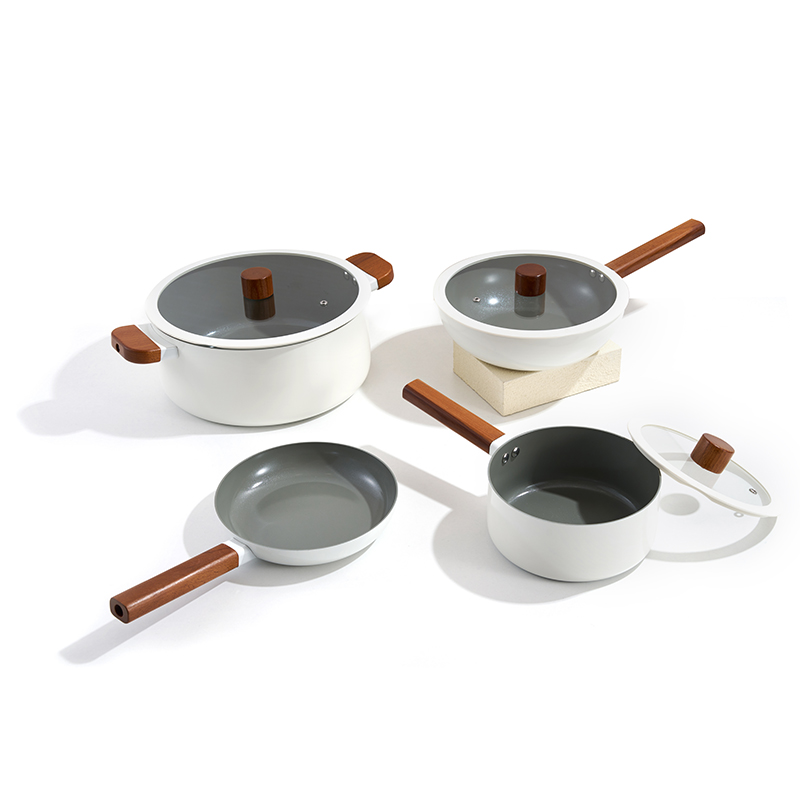
This cookware set has a ceramic non-stick inner liner, a heat-resistant wooden h...
See Details -
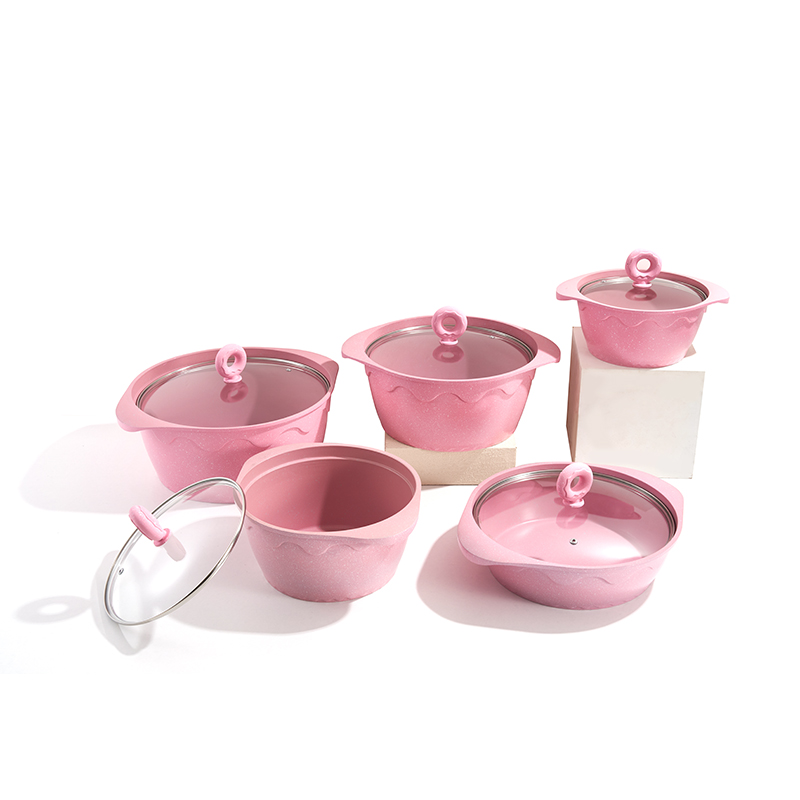
This cookware set is made of food-grade non-stick material, with a unique eye-ca...
See Details -
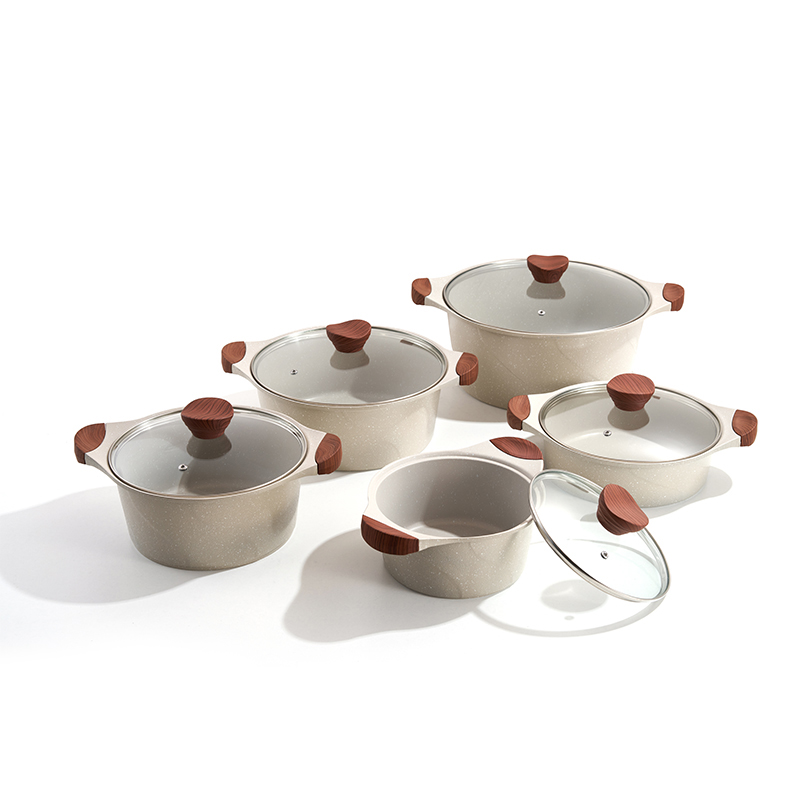
This off-white cookware set is made of wear-resistant non-stick material, with w...
See Details
Whether you're looking for bulk purchases or have any custom requirements, We are here to offer the best
solutions for you.
tiffany.zhong@echocn-trading.com
PHONE
+86-19561173975
+86-19557020621 (Hazel Wu)
ADD
Room 301, Unit 3014, No. 175 Qifeng Avenue, Wenqiao Town, Taizhou, Zhejiang, China
Fill Out the Form for More Information
Copyright © Zhejiang Echo Industry And Trade Co., Ltd.
All Rights Reserved.

China Cookware Set Manufacturer